Where Earth Terminates: Wind and Ice Across the Patagonian Steppe
Dispatched by the 111111 Editorial Staff | November 03, 2024
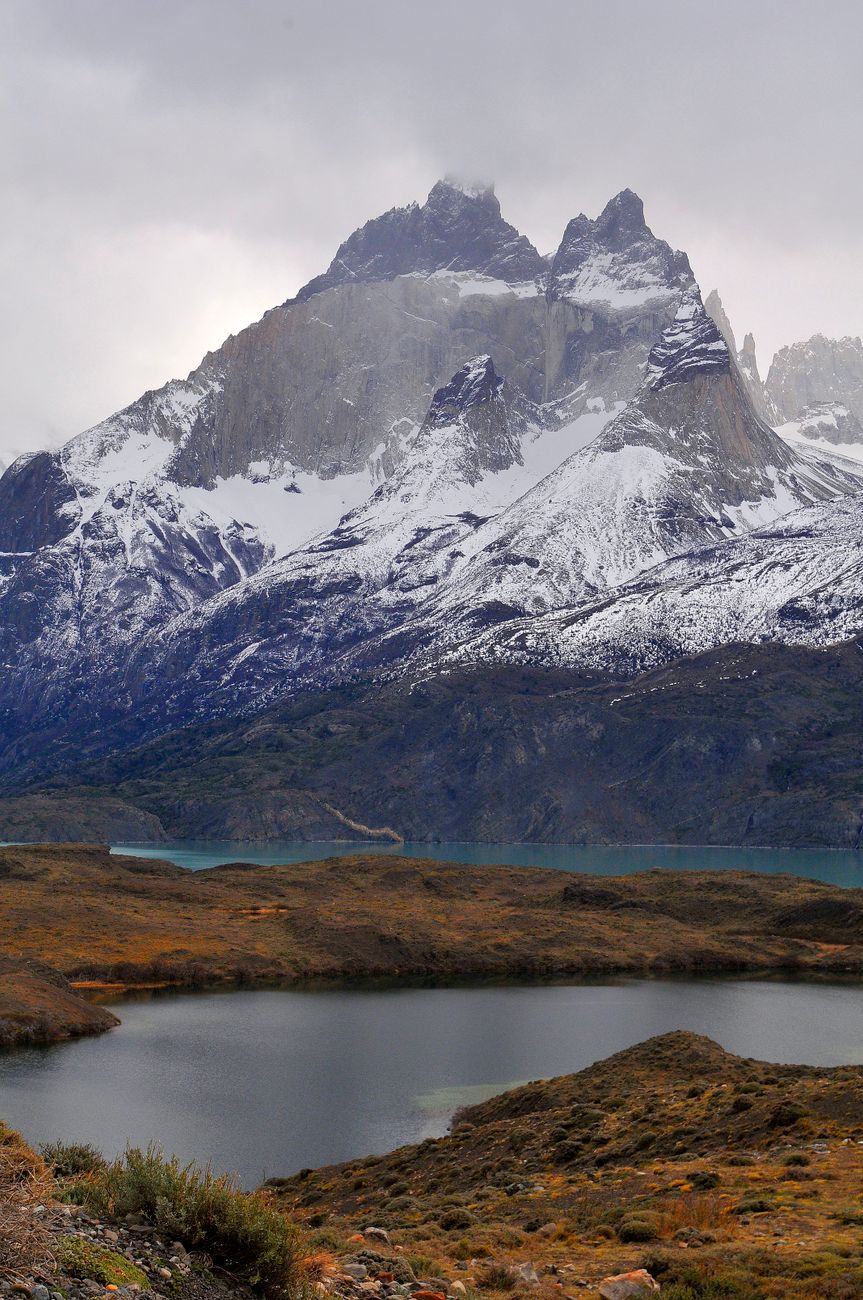
In the Chilean Magallanes province, the wind is not merely weather; it is an unrelenting physical entity that shapes every tree trunk, carves lake shorelines, and humbles human vanity. Driving south toward the granite towers of Torres del Paine, yellow coiron grass ripples across infinite plateaus like the fur of an enormous recumbent beast.
The Monolithic Spire Formations
The Cuernos del Paine represent one of geology's most violent juxtapositions: dark sedimentary rock capping enormous columns of light grey granite. When dawn hits the horn-like peaks, the contrast against the milky-turquoise waters of Lake Pehoe creates a visual landscape so stark it feels computer generated.
“Standing before the Grey Glacier terminus, listening to subterranean ice cracking like distant artillery, one grasps the true scale of planetary time.”
Gaucho Tradition and Wilderness Conservation
For over a century, sheep estancias dominated this unforgiving terrain. Today, a new generation of sustainable stewards is transforming historical ranches into conservation reserves, allowing guanaco herds and Andean condors to recover their ancient migratory pathways.
- Expedition Window: December to February provides long sub-Antarctic days with up to 17 hours of light.
- Essential Provisioning: Specialized four-season windproof gear, high-grade polarized lenses, and satellite communication units.
- Stewardship: Respect fenced preservation zones protecting delicate tussock grass soil systems.
Patagonia leaves its visitors with an indelible appreciation for bare essentials: warm wool, a wood-burning hearth, and a horizon devoid of human clutter.

Marcus Sterling
Field Contributor for 111111