Silence Over the Tre Cime: Wandering the High Dolomite Scree
Dispatched by the 111111 Editorial Staff | May 14, 2024
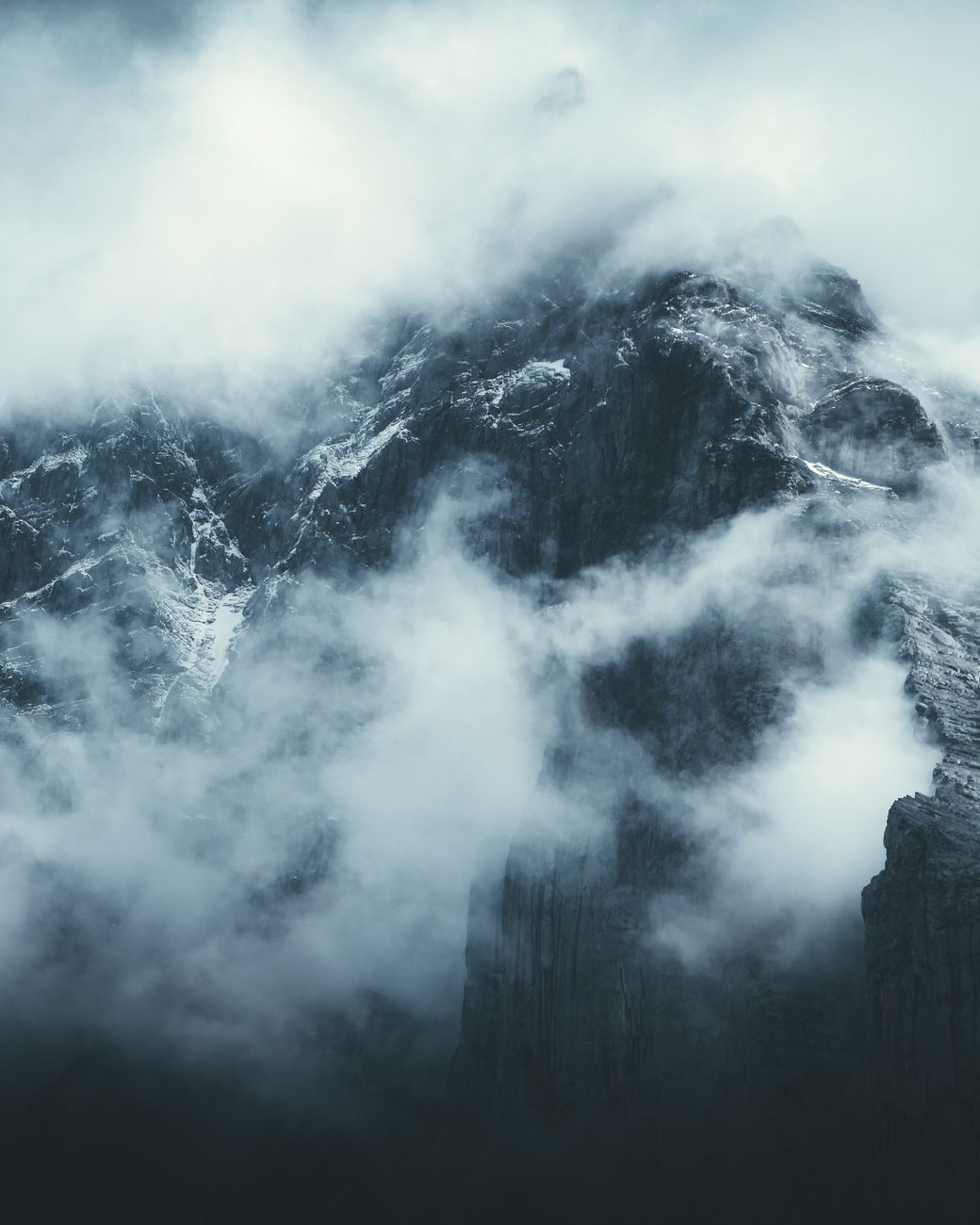
At six o'clock in the morning, the Auronzo valley rests beneath a heavy blanket of wool-white clouds. The air at 2,300 meters carries the scent of frozen dolomite grit and wet mountain pine. For nearly an hour, there is neither mechanical sound nor birdsong—only the crisp crunch of limestone scree beneath vibram-soled mountaineering boots.
The Geological Drama of South Tyrol
Unlike crystalline granite chains that thrust upward in razor ridges, the Dolomites are fossilized coral atolls lifted from prehistoric seas. As midday daylight washes over the sheer northern faces of Tre Cime di Lavaredo, the stone shifts through a palette of ochre, slate grey, and pale rose. It is this chameleon quality of limestone that has held painters and cartographers spellbound for over two centuries.
“In the high passes, time dissolves into distance. You do not conquer these ridges; you adapt your breath to their ancient stillness.”
Rifugio Culture and Sustainable Alpine Living
Beyond natural grandeur, Northern Italy's mountain culture is defined by its network of refuges (rifugios). Far from primitive trail huts, establishments like Rifugio Locatelli and Rifugio Pian di Cengia demonstrate an enduring balance between hospitality and environmental stewardship. Supplies are flown in via single helicopter runs per fortnight or carried up mule paths, demanding a reverence for every calorie and cubic liter of potable spring water.
- Best Traverse Window: Mid-September to early October for autumn larches and quiet ridgeways.
- Key Gear: Technical windproof outer shells, micro-spikes for morning ice patches, and cash for refuge meals.
- Environmental Note: Strict leave-no-trace protocols are enforced throughout Parco Naturale Tre Cime.
As evening falls, the famous enrosadira illuminates the pale rock with an incandescent magenta burn before plunging the massif into blue twilight. In our hyper-connected epoch, places capable of producing this brand of silence are not mere escapes; they are vital necessities for the human spirit.
Elena Rostova
Alpine Contributor for 111111